Loading


The Dumbphone Strikes Back

The growth of smartphones has been phenomenal. From a virtually non-existent flyspeck in 2007, to over 400 million units sold in 2011 and the most popular consumer electronics device in the US, smartphones are a huge money maker — but only if you’re Apple or Samsung.


A Hardy Group Holds Out on Smartphones

A Smartphone Future? But Not Yet
THE occasion of taking out my cellphone has provoked considerable mockery in the last 18 months or so.

“Zack Morris wants his phone back,” I have heard more than once, in reference to the “Saved by the Bell” preppie’s bricklike mobile (a late-model Motorola DynaTac, the first cellphone sold commercially, in 1983). For the sitcom’s run from 1989 to ’93, Zack’s early adoption was a totem of his Los Angeles affluence and his wheeling-and-dealing scampish streak.

Were Zack still prank-calling Principal Belding these days, he would surely have an upgrade over my calling-and-texting device. It’s a bulky clamshell phone selected for its military-grade ruggedness, as intimated by its name, the Samsung Convoy. It came free with my two-year contract. The only time it has Internet access is when I accidentally hit a button that launches a primitive Web browser (out of which, fearing usurious charges from Verizon, I exit immediately as if from a burning building).


The Rise of the Dumbphone Movement
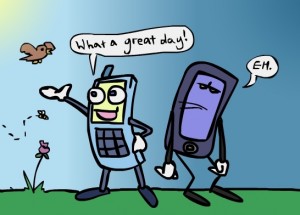
Shortness of breath, increased heart rate and utter self-loathing are what I experienced when I thought I’d left my iPhone at the grocery store last Saturday. This anxiety was short-lived, as moments later I found it on my desk. Nonetheless, my minor panic attack exemplifies just a slice of our dependency on smartphones. Smartphones have become a staple of our generation and one of the defining inventions of our time. However, not everyone is attracted to the finesse of phones with Internet connections and applications. There is a counterculture of mobile phone users who prefer what has been called a “dumbphone.” This demographic of dumbphone users who are sticking with the early 2000’s mobile technology reject smartphones on the basis that such distracting technology deprives people from being fully engaged in their surroundings, and therefore diminishes the ability to simply enjoy life.